Ready-made combinations
Companion mixes
These are not folklore pest recipes. Each mix shares light, moisture, mature size, and a sequence of bloom or structure, so the plants can actually live together.
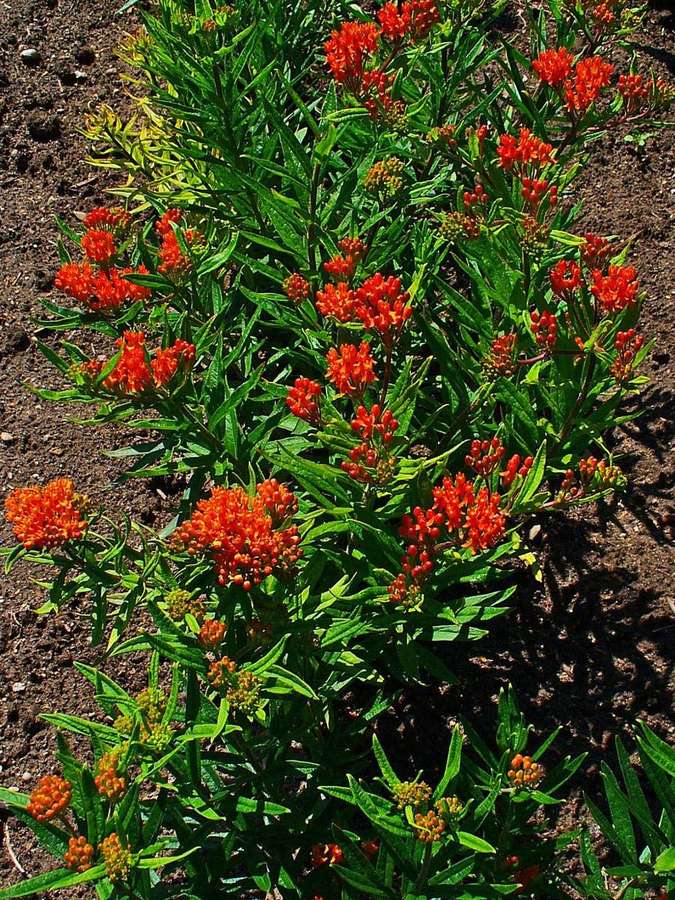
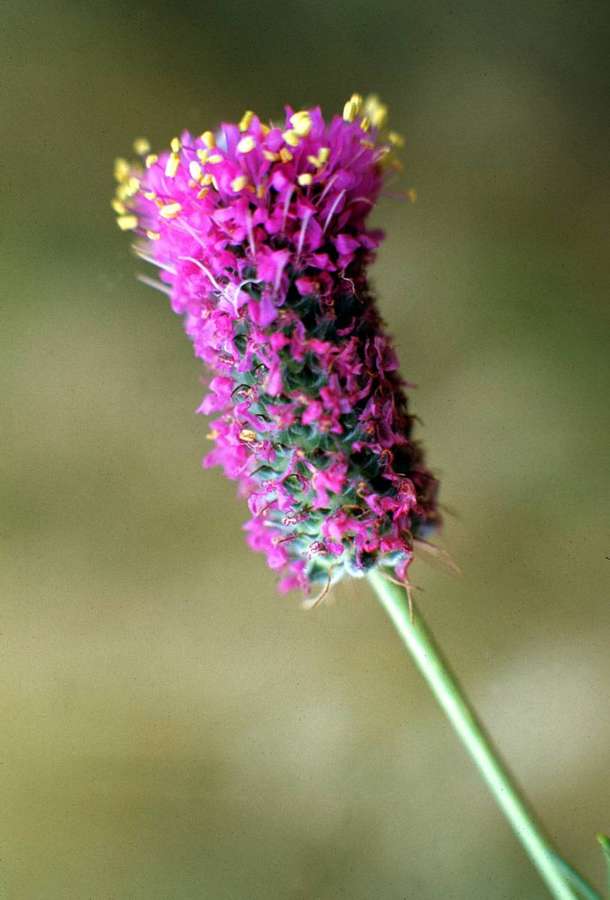
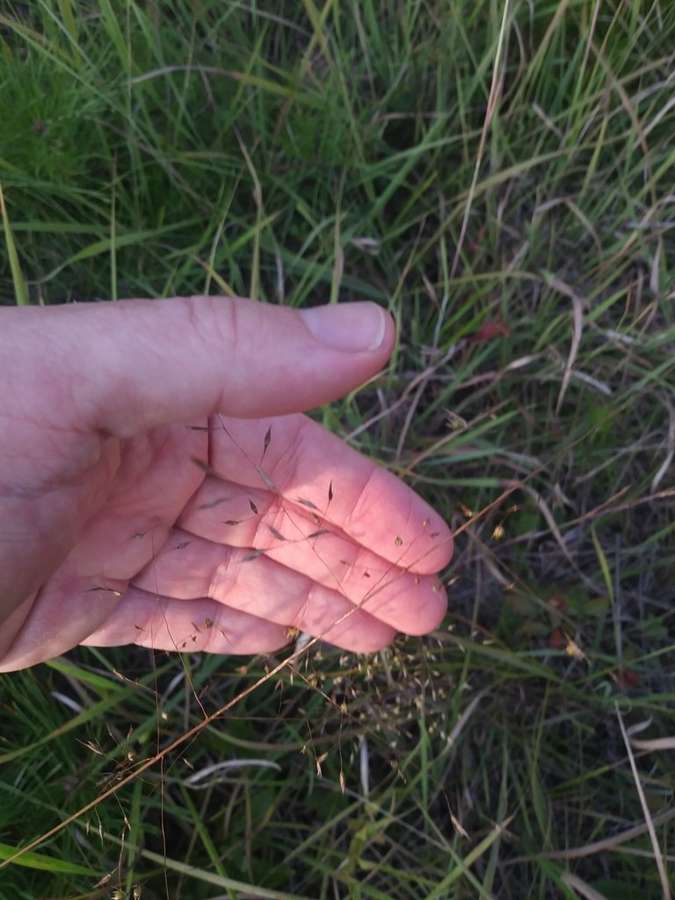
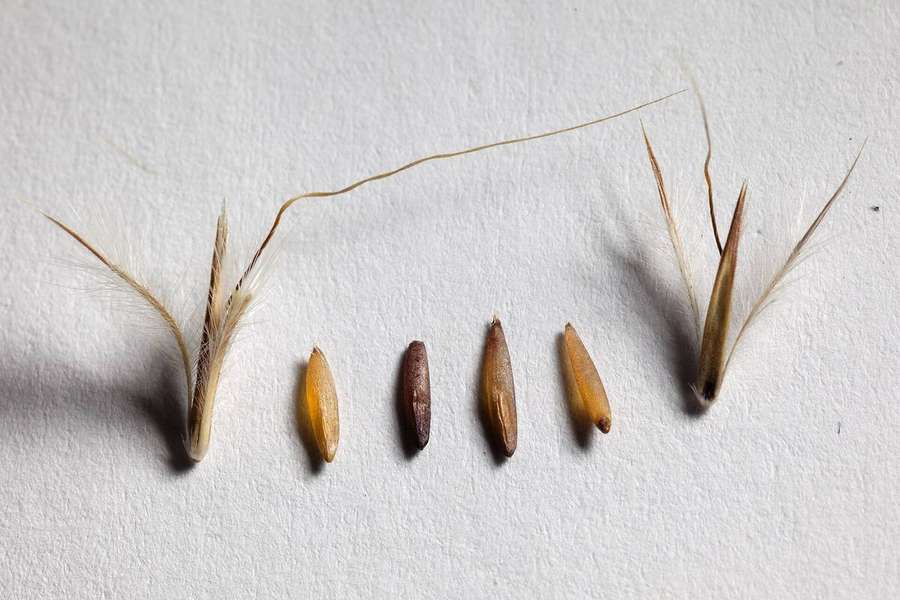
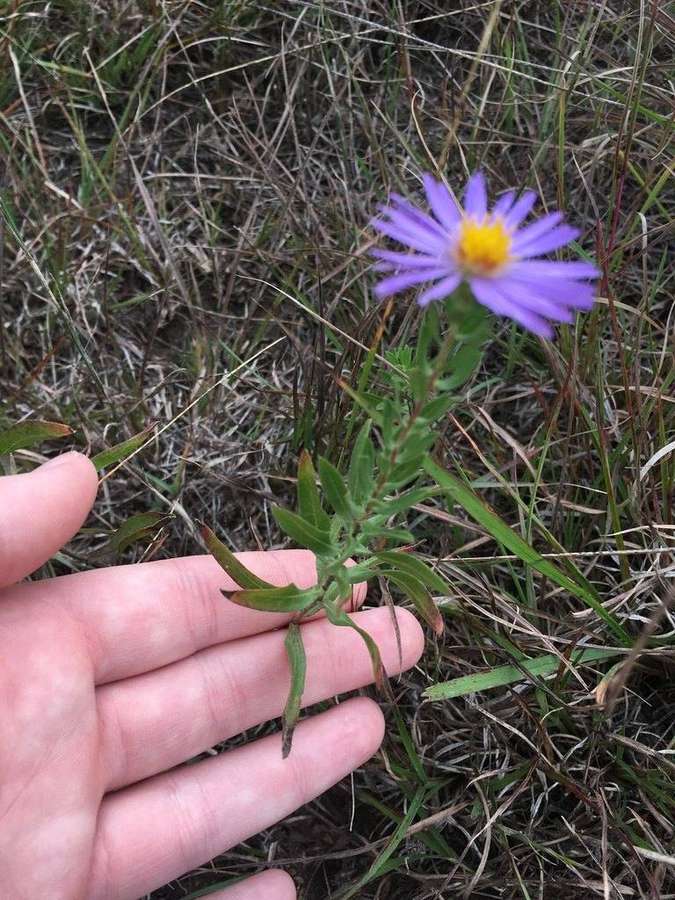
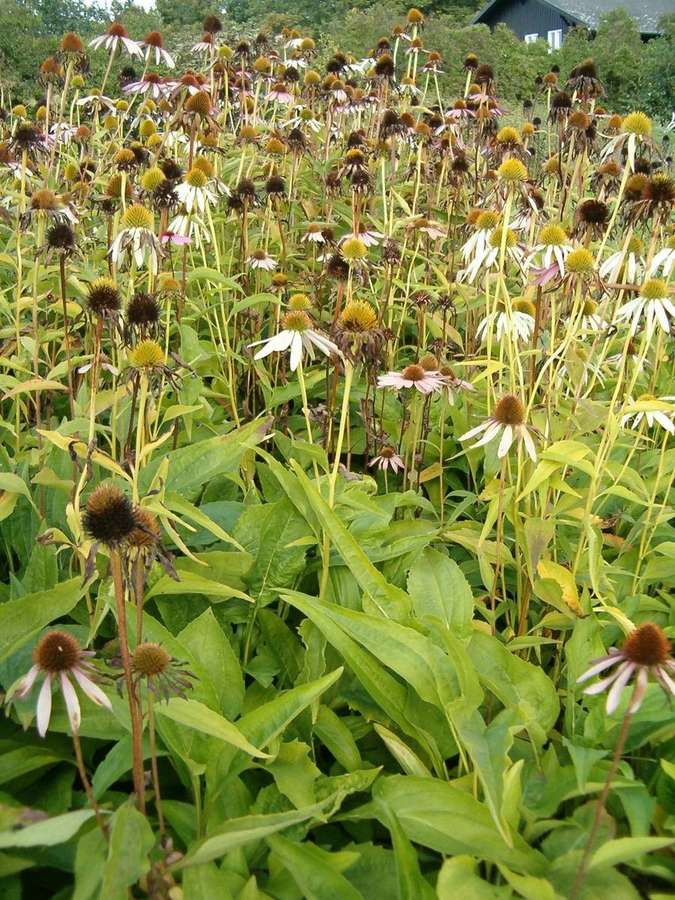
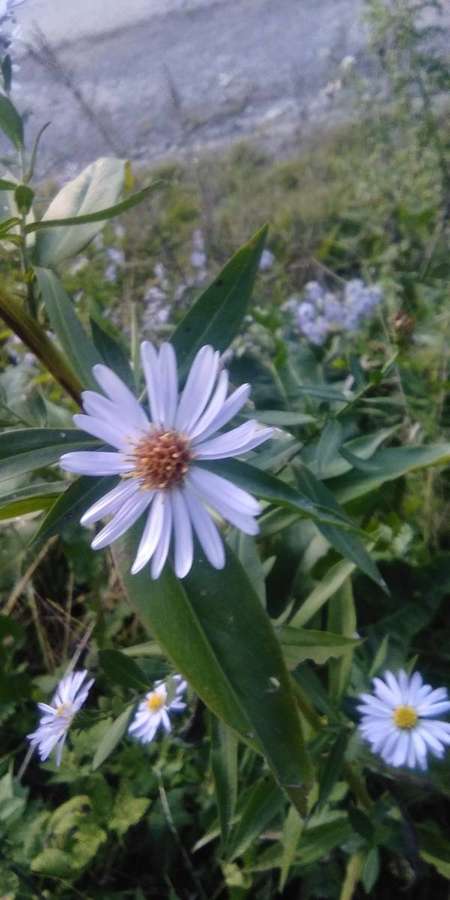
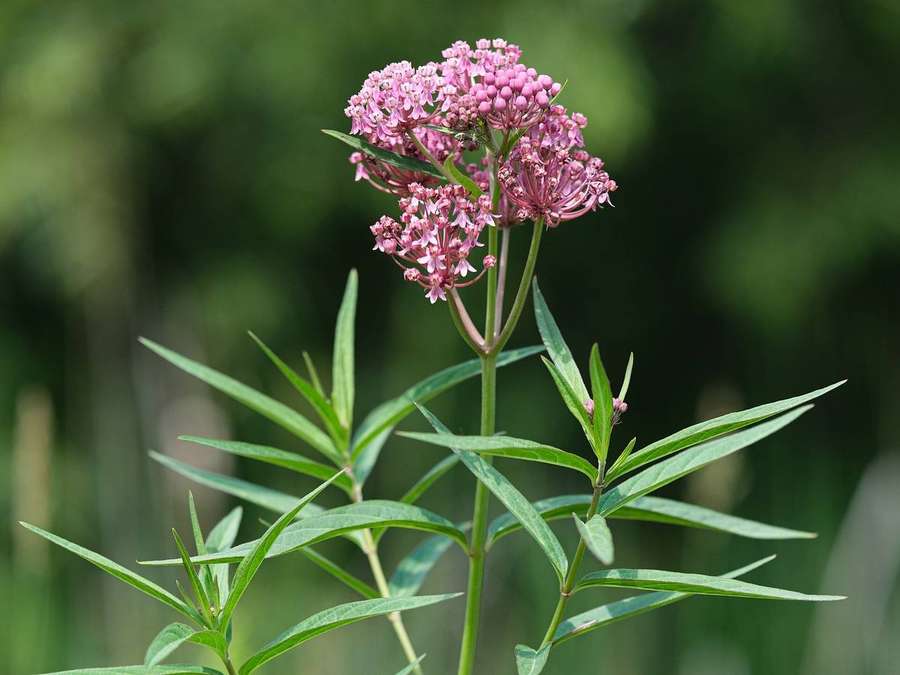
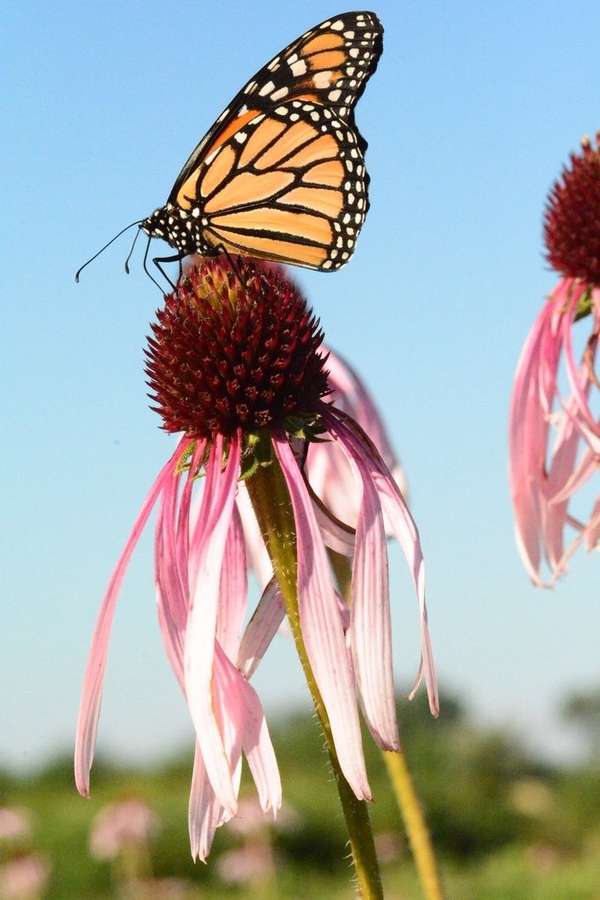
Sunny pollinator border
Full sun; dry–medium soil
Low grass matrix, summer nectar, monarch host, and fall bloom
- Where it goes
- 2–4 ft strip beside a sunny bed
- With the rest of the lot
- Good beside a sunny food planting or on its own as a flower strip.
- Care
- Cut back in early spring; thin asters if needed
- Do not
- Do not place tall species on the south side of crops
Sunny bed edge
Full sun; ordinary garden soil
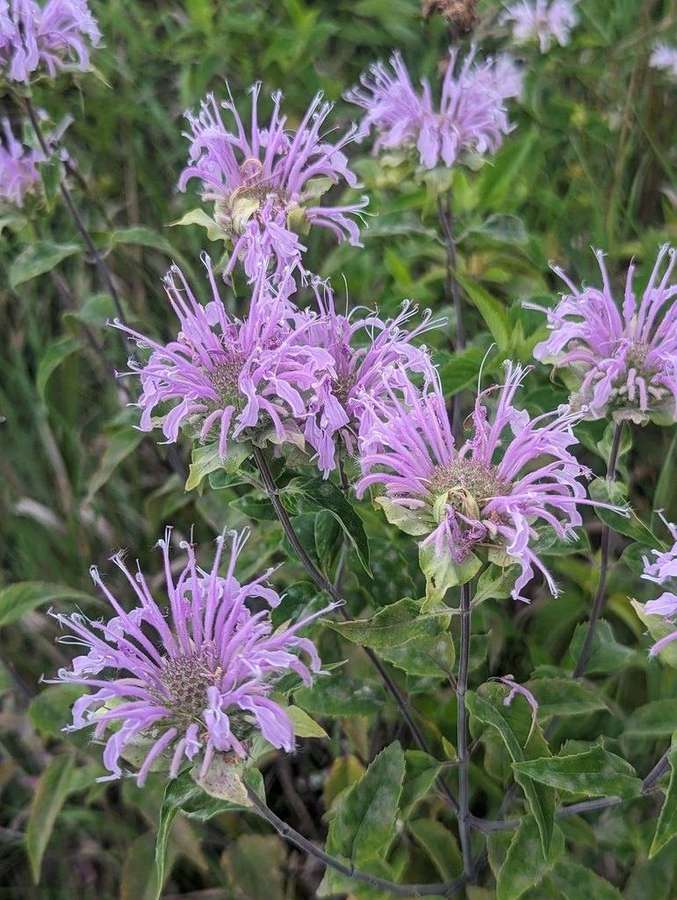
Flowers from spring through fall and supports diverse beneficial insects
- Where it goes
- North, west, or perimeter edge
- With the rest of the lot
- A pollinator strip for a sunny bed edge.
- Care
- Divide bergamot; leave some stems through winter
- Do not
- Do not crowd crop rows or block airflow
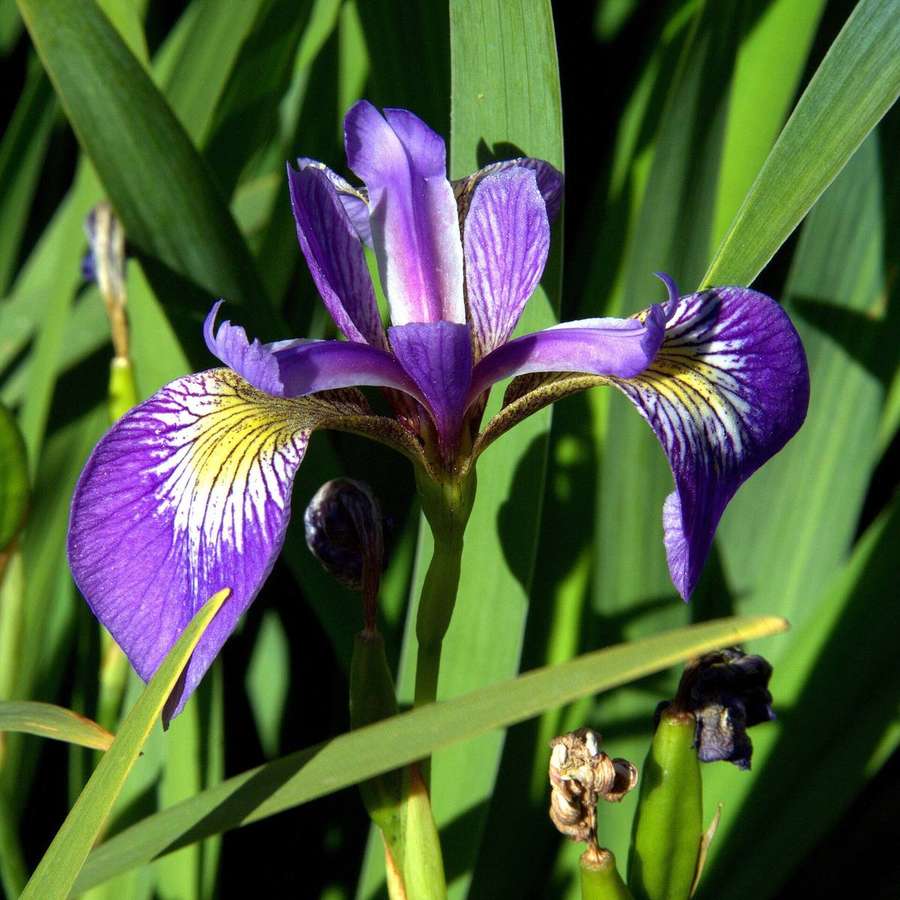
Moist rain-garden mix
Sun–part shade; periodically wet
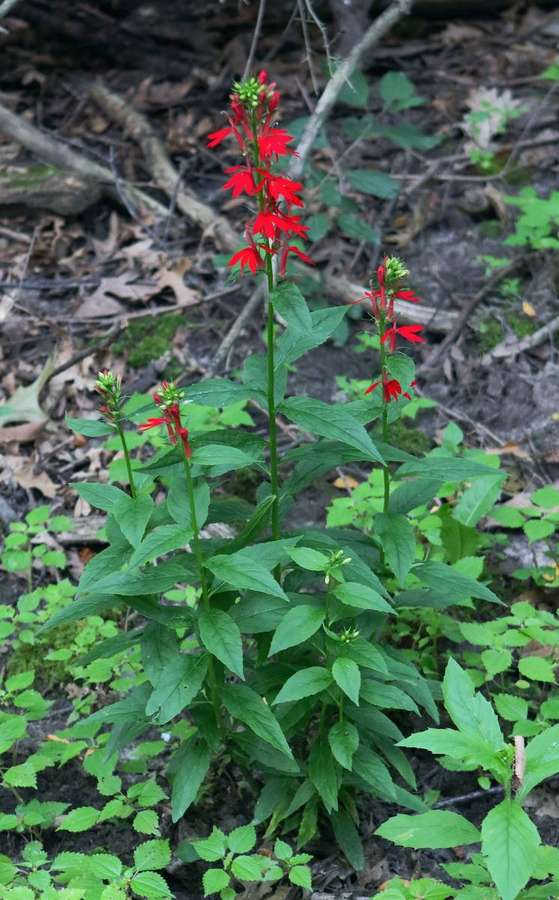
Roots occupy different depths and bloom from late spring through fall
- Where it goes
- Lowest part of a rain garden
- With the rest of the lot
- Put it downslope, where the water already runs.
- Care
- Remove woody seedlings; maintain inlet/outlet
- Do not
- Do not put in permanently stagnant water unless species requires it
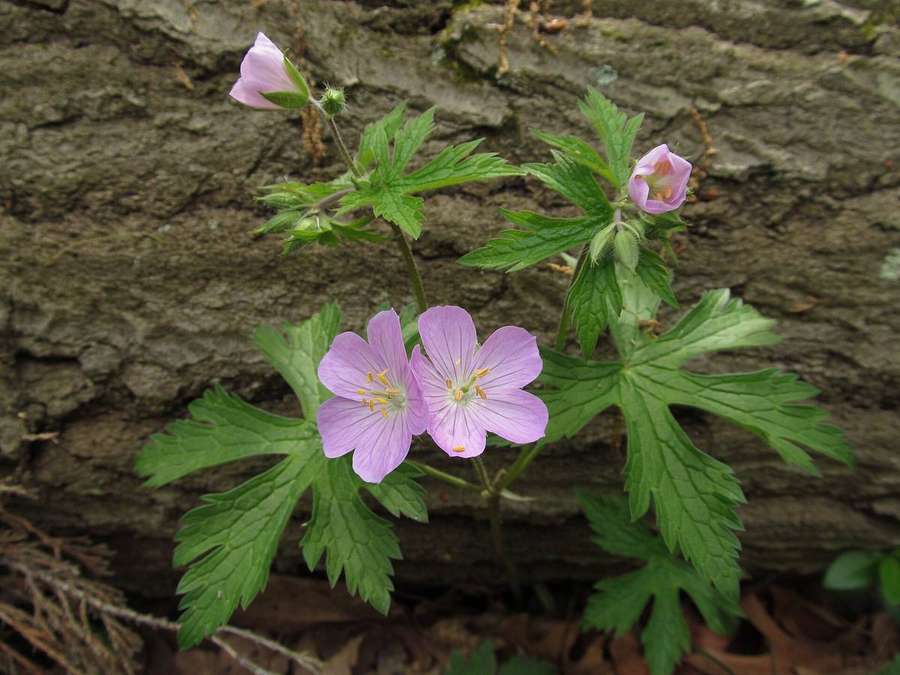
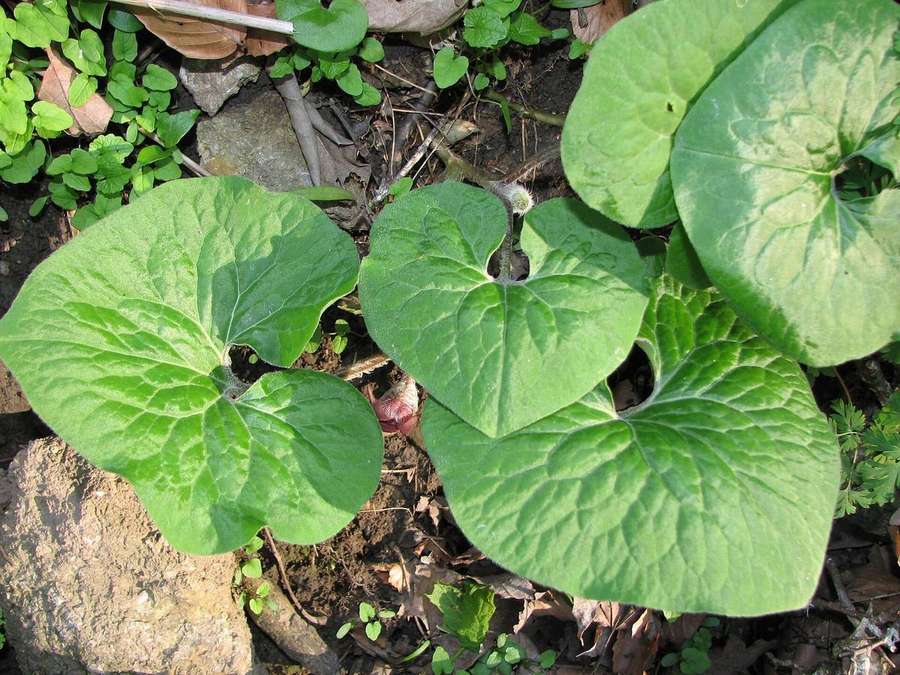
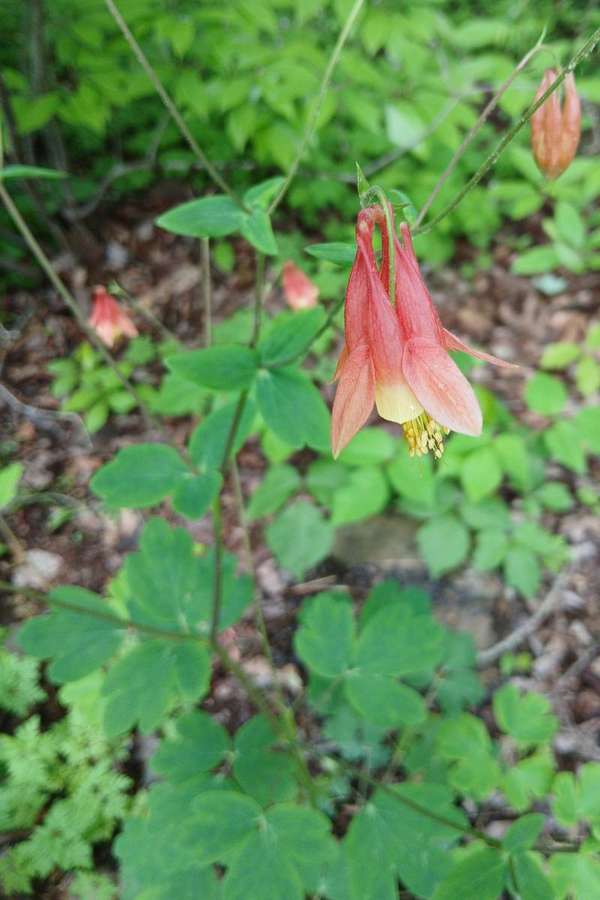
Woodland spring layer
Part shade–shade; medium soil
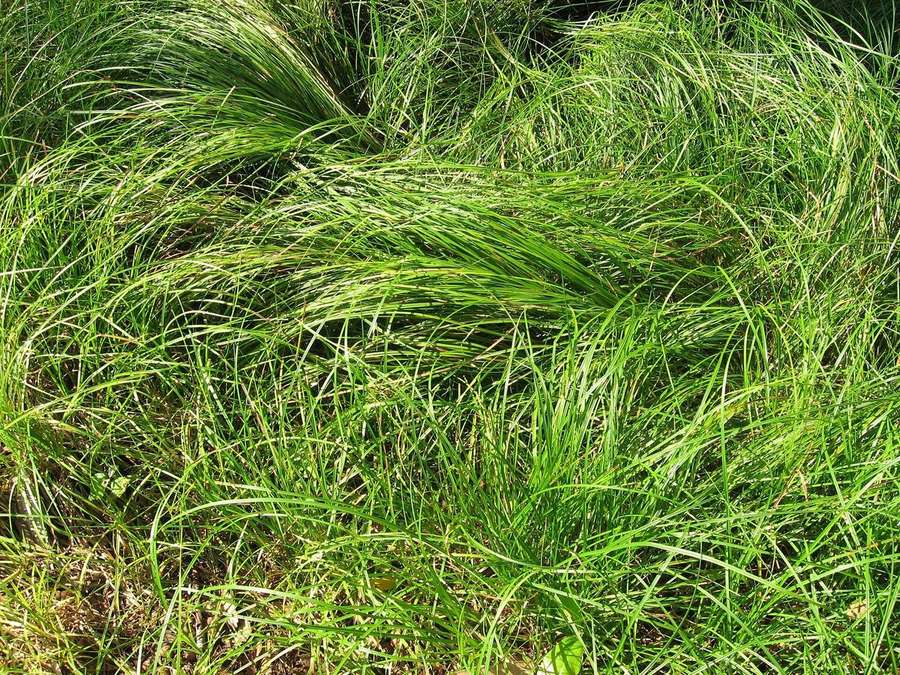
Spring flowers emerge before canopy closure; sedge and ginger cover soil later
- Where it goes
- Under deciduous trees or shrubs
- With the rest of the lot
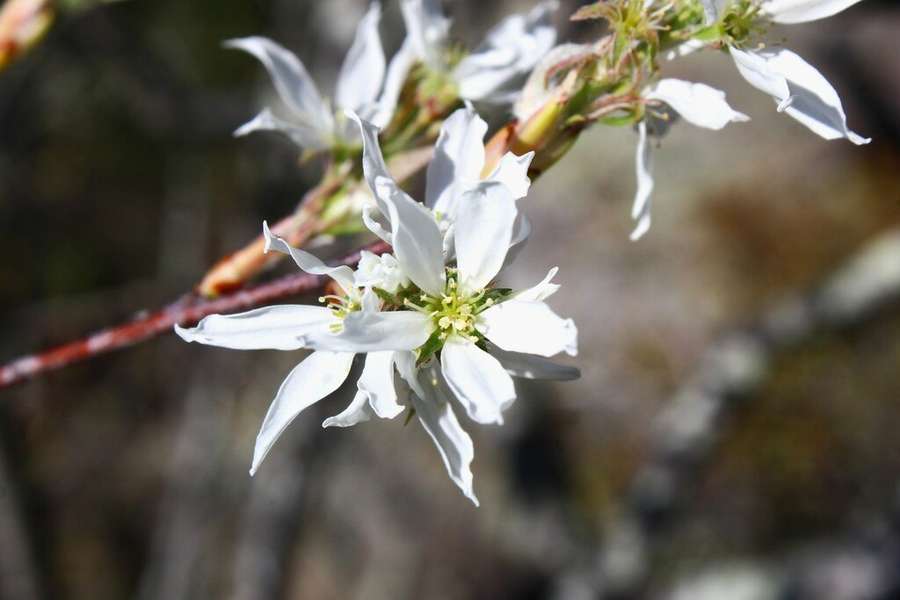
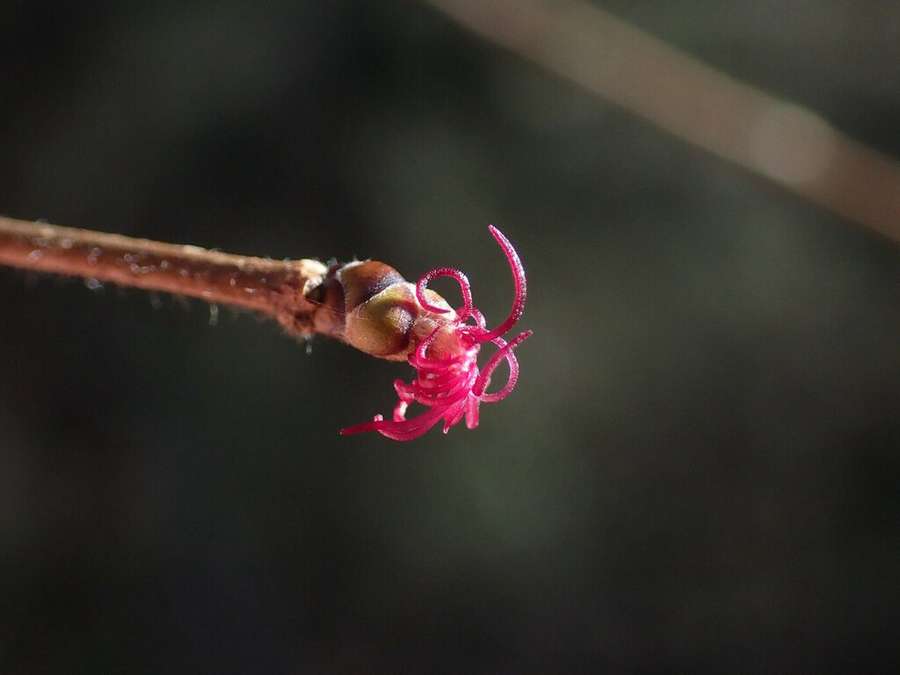
- Good below serviceberry, pawpaw, spicebush, or hazelnut
- Care
- Retain leaf litter; mark ephemerals before dormancy
- Do not
- Do not cultivate the root zone in summer
Edible native hedge
Sun–part shade; medium soil
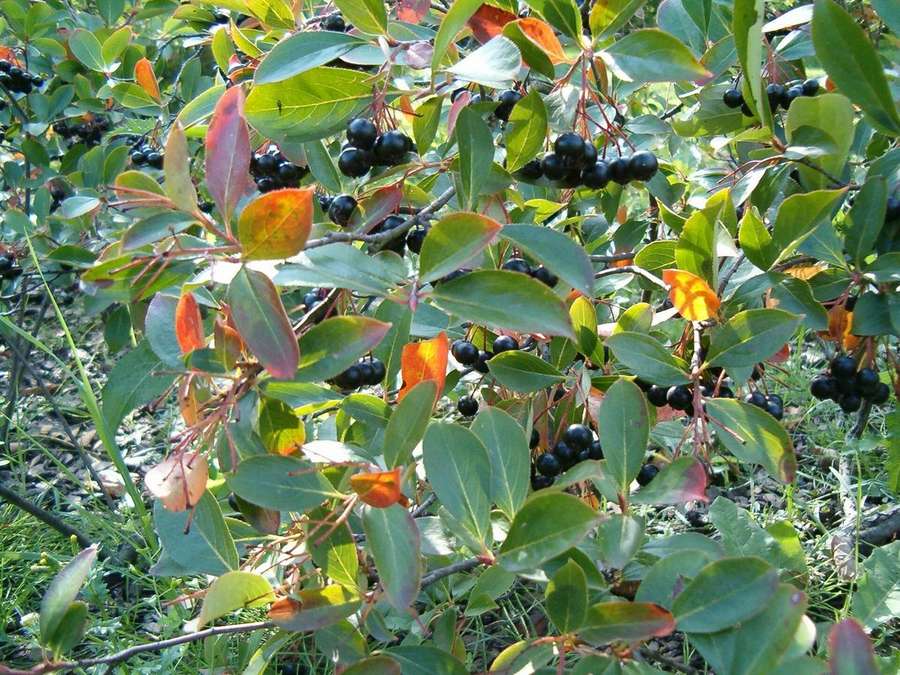
Fruit at several heights with a living groundcover and pollinator support
- Where it goes
- Property edge or north/west side of garden
- With the rest of the lot
- Keeps woody roots and shade off the shorter plants in front.
- Care
- Prune for access; manage suckers; protect harvest from birds
- Do not
- Do not compress large shrubs into a narrow foundation bed
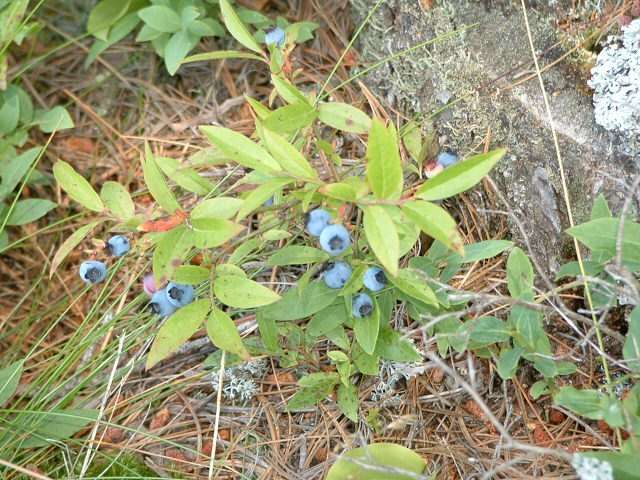
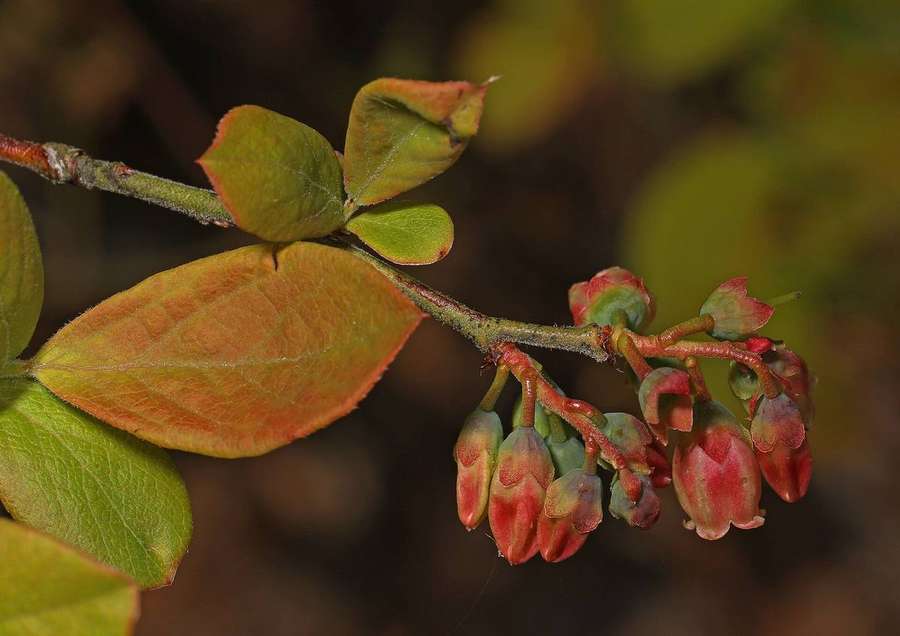
Acid berry bed
Sun–part shade; acidic soil
All tolerate acidic conditions; ground layer protects soil
- Where it goes
- Dedicated raised bed or container system
- With the rest of the lot
- Keep this bed acidic. Do not lime it.
- Care
- Test pH; mulch with appropriate acidic organic matter
- Do not
- Do not assume Chicago clay is naturally suitable
Dry shrub edge
Sun; dry soil
Shrub structure with drought-tolerant matrix plants
- Where it goes
- Slope, parkway edge, or hot boundary
- With the rest of the lot
- Useful as wind and habitat edge near a garden
- Care
- Remove unwanted sumac suckers
- Do not
- Do not crowd walkways or foundations
Wet edible specialty bed
Sun–part shade; controlled wet soil
Food and ornamental wetland plants share stable hydrology
- Where it goes
- Lined pond shelf or controlled wet bed
- With the rest of the lot
- Give it its own wet bed. Don't mix it into an ordinary border.
- Care
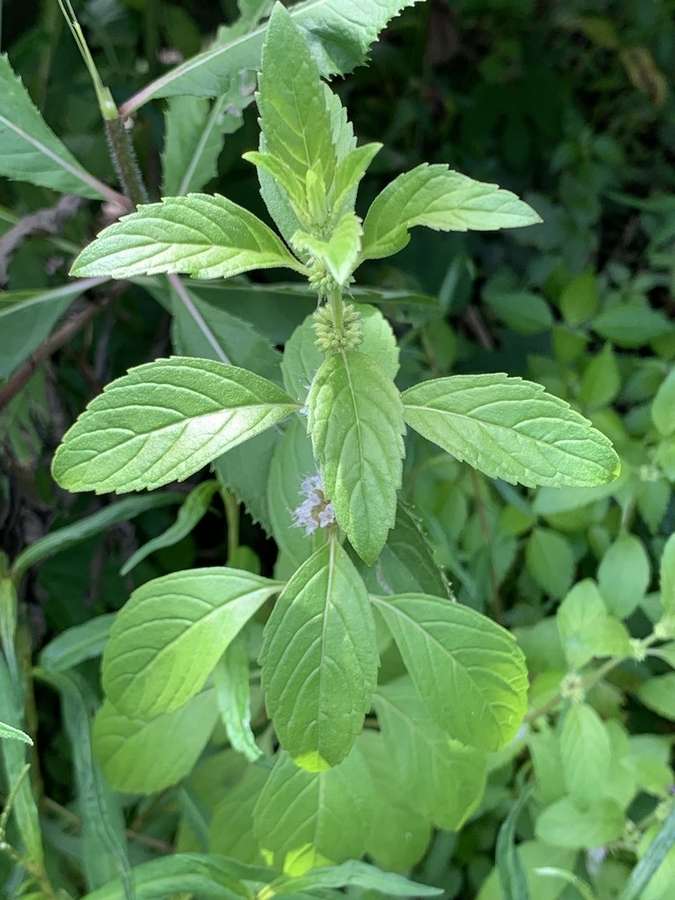
- Contain mint and arrowhead; monitor water level
- Do not
- Do not introduce to natural waterways
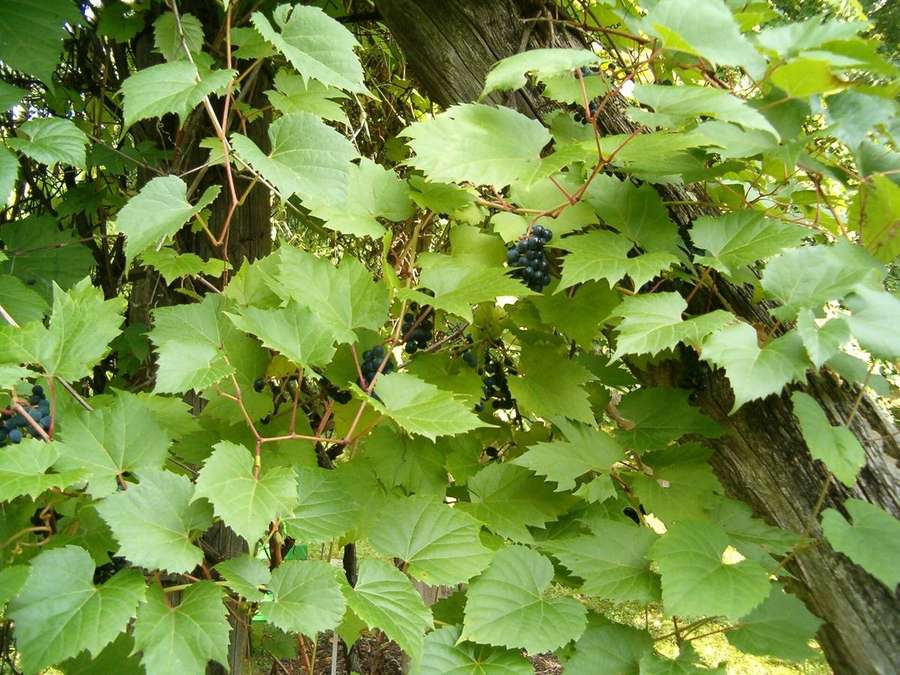
Native trellis
Sun–part shade; medium–moist soil
Dedicated vertical layer with flowering base plants
- Where it goes
- Strong freestanding trellis
- With the rest of the lot
- Keep away from crop cages and young trees
- Care
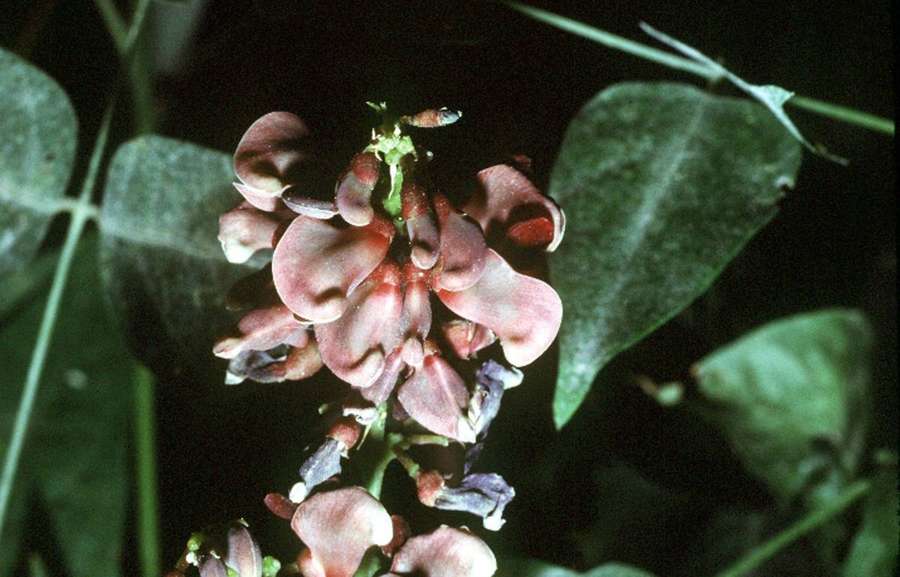
- Prune vines annually; contain groundnut tubers
- Do not
- Do not mix several vigorous vines on a weak support
Nut grove understory
Sun canopy; part-shade understory
Long-lived canopy, nut shrub layer, and low understory
- Where it goes
- Large yard only
- With the rest of the lot
- Keep it well away from beds you dig every year.
- Care
- Protect young trees; manage leaf litter and nut fall
- Do not
- Do not plant beneath utilities or close to structures
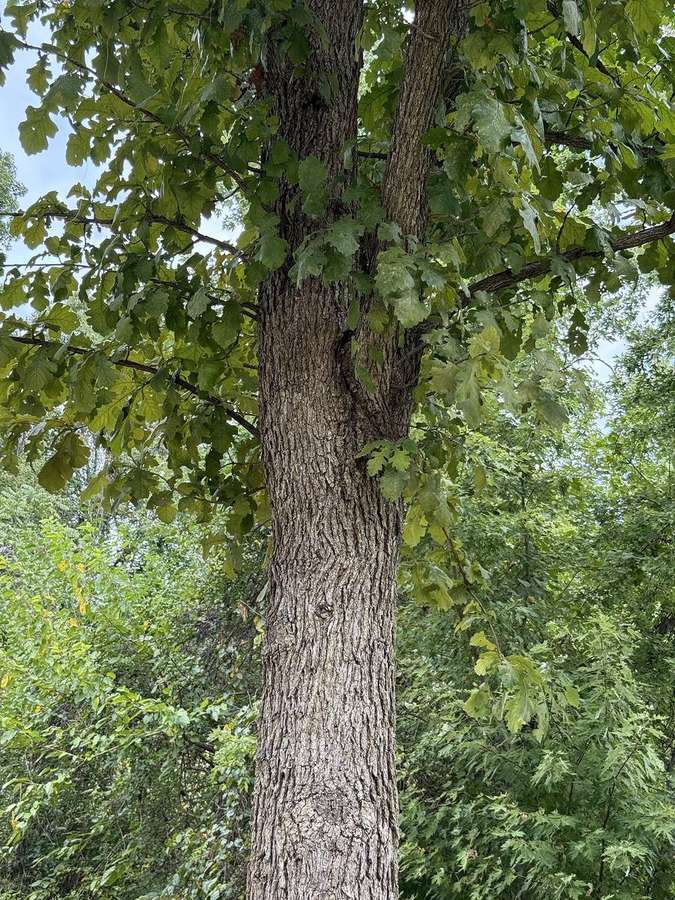
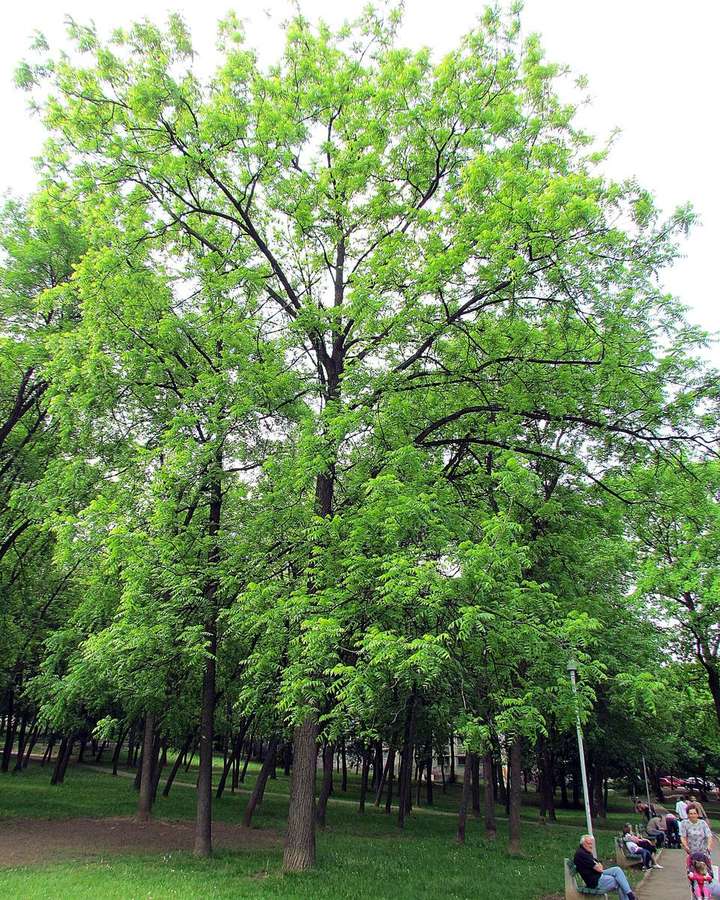
Walnut-tolerant native edge
Sun–shade; medium soil
Uses natives commonly placed outside sensitive annual-crop zones
- Where it goes
- Large-space boundary
- With the rest of the lot
- Keep tomatoes, peppers, and sensitive fruit beyond the walnut root zone.
- Care
- Collect hulls; monitor shade and roots
- Do not
- Do not put a dug bed under the walnut canopy.
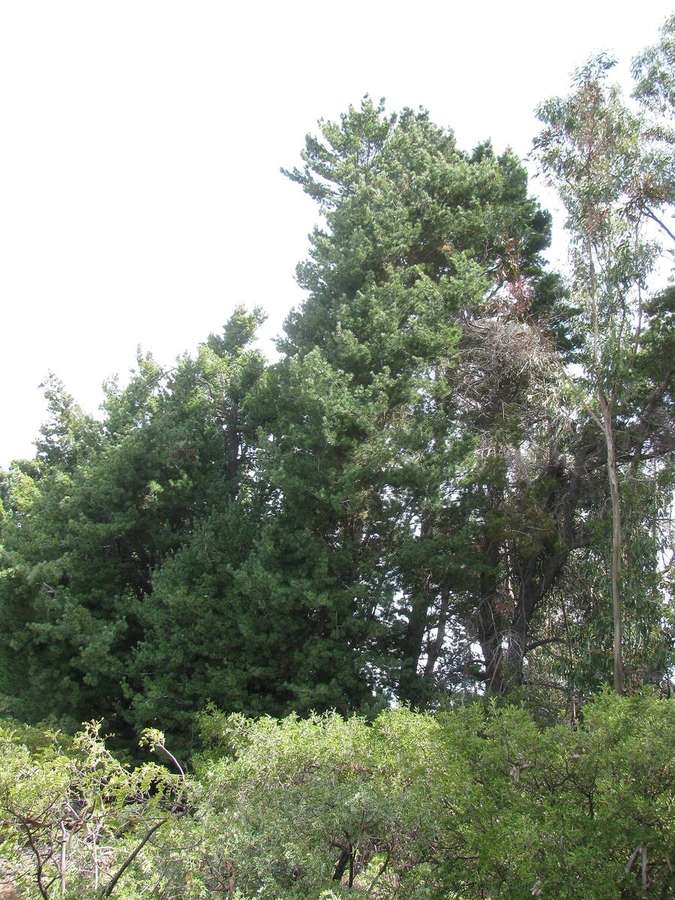
Evergreen windbreak
Sun; dry–medium to moist depending species
Evergreen structure with low edge plants
- Where it goes
- North or west boundary
- With the rest of the lot
- Reduces wind without blocking southern sun when correctly placed
- Care
- Water evergreens during establishment and dry autumns
- Do not
- Do not build a dense windbreak on the south side of the lot.